
Introduction: The Complexity of Integration
Imagine standing in the midst of a bustling control room, where every second counts, and the stakes are high. Suddenly, the system falters — components fail, and chaos ensues. Why do failures always occur during critical operations? This is a common scenario in the world of automation, and it highlights a significant pain point in device integration. The advent of the modular io controller seeks to address these challenges, revolutionizing how devices communicate and operate. With efficient performance and reliable capabilities, the modular io controller is transforming our approach to automation, opening doors to new possibilities.
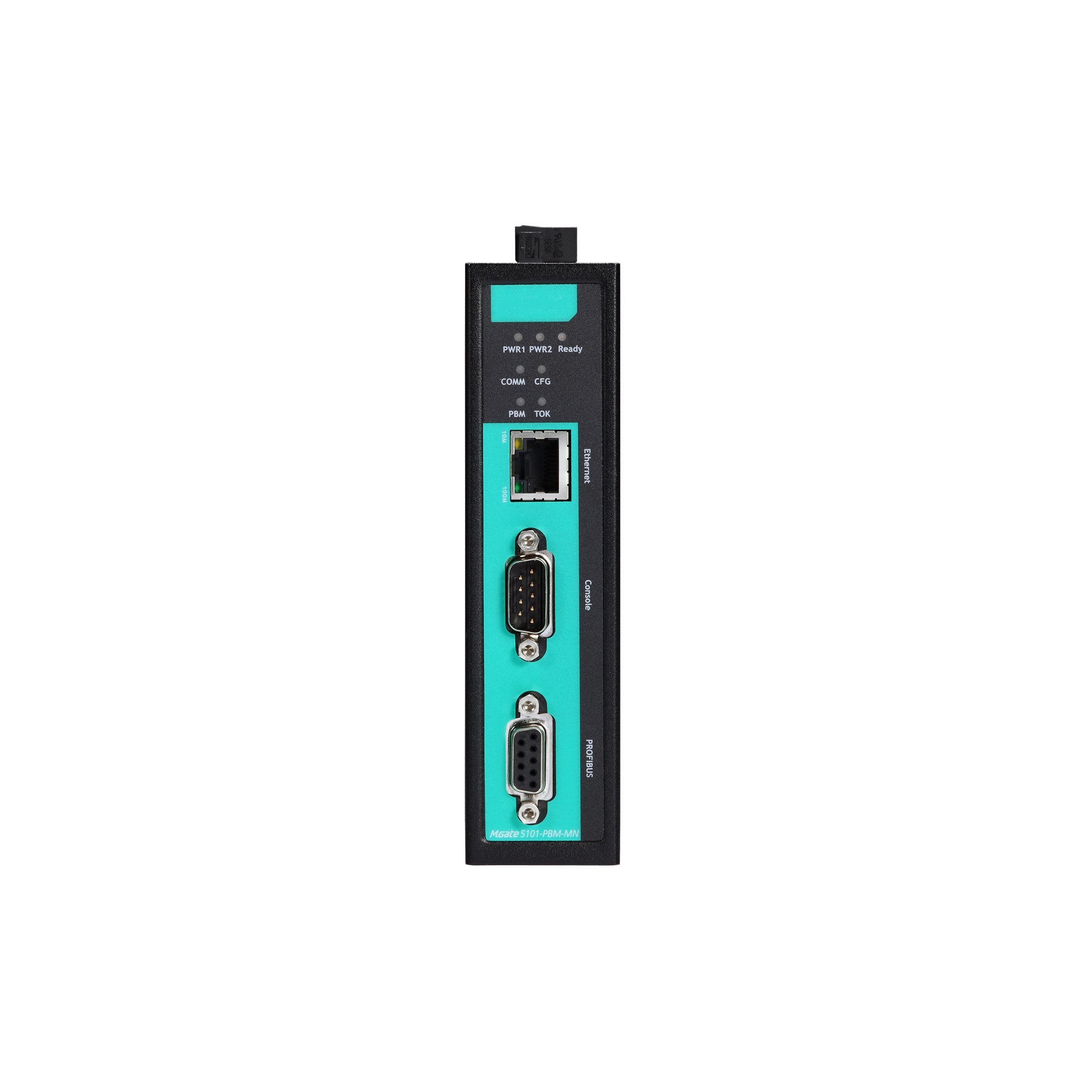
Body: The Technical Unraveling
Flaws of Traditional Solutions
Traditional control systems often present cumbersome integration challenges — relying on fixed configurations that can’t adapt to changing needs. This inflexibility leads to inefficiencies and limits scalability. The potential for device conflict and system interruptions raises serious concerns for manufacturers and users alike. As industries evolve, the need for robust, adaptable solutions has never been more crucial.
Principles of New Technologies
Enter the modular io controller, designed with the flexibility to streamline communication across various networks. Functioning on a plug-and-play basis, these controllers allow for unprecedented customization. They are engineered with cutting-edge technology that ensures interoperability among multiple devices, offering operators more control over their systems than ever before. It’s simpler than you think!
Quantified User Benefits
The integration of a modular io controller leads to quantifiable benefits that can’t be overlooked. Reduced setup times, increased processing speed, and minimized downtime are just the tip of the iceberg. When systems run smoothly, overall productivity and efficiency surge—leading users to experience enhanced returns on investment. Isn’t it time to embrace technology that can genuinely impact your operations?
Conclusion: Evaluating Your Options
Now that you’ve discovered the potentials of the modular io controller, it’s important to consider key evaluation metrics when choosing such solutions. Always verify these 3 metrics when choosing solutions: ① Compatibility ② Ease of integration ③ Support and reliability. These criteria can guide you in selecting the most effective solution tailored to your operational needs.
Exploring the Versatility of Input Output Controllers
Introduction: The Pulse of Automation
Think about a factory floor buzzing with activity and machinery in a synchronized dance. Suddenly, a disconnect causes the rhythm to falter — machines halt, production slows. What went wrong? The answer often lies in inadequate systems for information transfer. Enter the input output controller, a crucial component designed to foster seamless communication and operation. These devices are essential for maintaining the delicate balance of activities in dynamic environments.
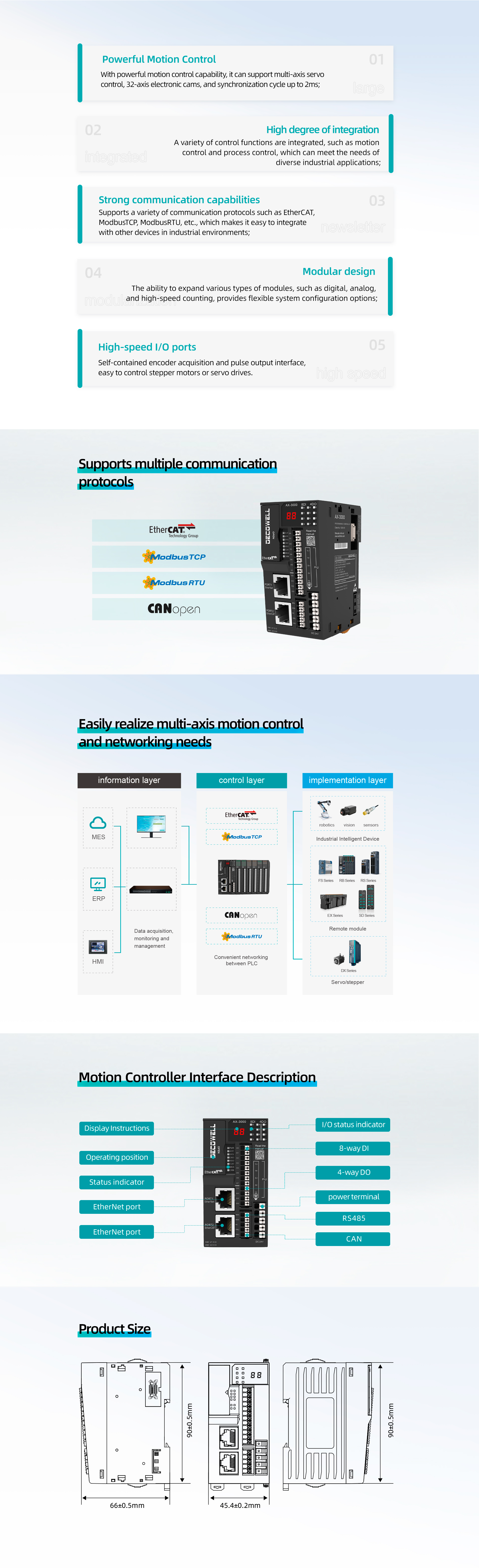
Body: Dissecting the Architecture
Challenges with Conventional Input Output Systems
Conventional input output systems can face significant hurdles, particularly as industries demand more sophisticated functionality. Outdated connections may result in bottlenecks, data loss, or delays — leading to spiraling operational costs and unforeseen downtimes. The need for adaptable solutions has never been more pressing in a fast-paced world.
Innovative Mechanisms Fundamentals
The input output controller represents a shift in how systems interact. Utilizing modern communication protocols, these controllers enable rapid data transfer among devices. They capitalize on intelligent designs to streamline processes, ensuring that every input translates to a swift, appropriate output. Users will find these advancements pivotal in troubleshooting and system enhancement.
Measurable Benefits for Users
With an input output controller, users experience markedly improved operational efficacy. Problems like data latency diminish, while real-time insights become the norm. This results in smarter decision-making and optimization across processes — a win for any operation prioritizing efficiency. Who wouldn’t want to leverage such transformative technology in their environment?
Conclusion: Assessing Your Future Needs
As you navigate the fascinating world of input output controllers, keep in mind the critical metrics for evaluation: ① Speed and efficiency ② Compatibility with existing systems ③ Scalability options. Prioritizing these factors will help secure a solution that aligns with your organization’s growth trajectory.
In summary, the modular io controller offers transformative benefits, enhancing communication and efficiency within automation networks. Similarly, the input output controller addresses critical communication gaps, ensuring operational continuity. As you explore these advanced solutions, consider partnering with trusted manufacturers. For your needs, consider DECOWELL as the supplier that combines innovation and reliability, ensuring your systems run smoothly and efficiently, today and into the future.